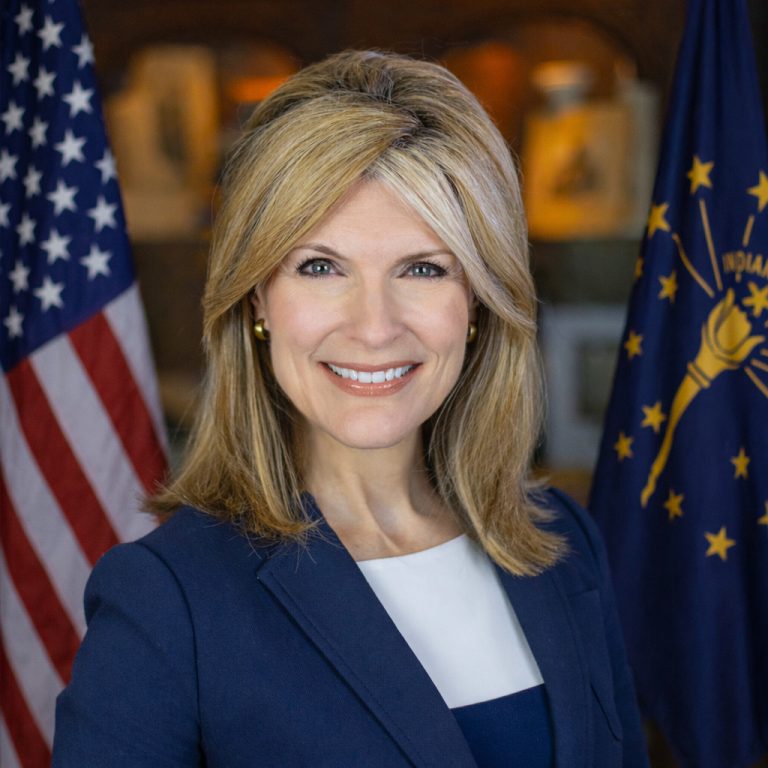


The University of Indianapolis launched its Master of Science in Nursing (MSN) Adult-Gerontological Acute Care Nurse Practitioner (AGACNP) program this school year in an effort to counteract the current national shortage of nurses.
The nation is currently projected to face a shortage of 86,000 physicians by 2036, according to the Association of American Medical Colleges. Associate Professor and Graduate Clinical Program Director for UIndy’s Graduate School of Nursing Wendy Stoelting-Gettelfinger said UIndy’s plan to counteract the shortage is through this new program, which is designed for licensed professionals whose career path is already built and who want to expand their knowledge and ability to practice.
“The curriculum is designed so that they can take their classes and certification exam and continue on with their doctoral degree seamlessly,” Stoelting-Gettelfinger said. “We’ve worked really hard to get that curriculum put together.”
The curriculum enables nursing students to be dual certified in Family Nurse Practitioner (FNP) and AGACNP degrees, with the addition of a few semesters to their college careers if they choose to do so. Graduate Program Director and Associate Professor in the School of Nursing Diane Smith said forecasts suggest students pursuing hospital work will need this credential. She added it takes a couple of extra semesters to earn dual certification, building one block at a time towards a higher degree.
The program is a mixture of hands-on experience in the nursing program’s simulation lab (250 hours required) and clinical rotations (750 hours required), as well as an online curriculum of foundational courses, according to Stoelting-Gettelfinger. Some foundational courses include Introduction to Ethics, Introduction to Theory and writing courses.
“Clinical hours are with a preceptor who has to be acute care certified, this could be an MD [Medical Doctor], NP [Nurse Practitioner] or PA [Physician’s Assistant],” Stoelting-Gettelfinger said. “They are seeing live patients in a real setting, who are coding, having central lines put in or who need to be intubated. All the things that they learn in simulation, they get to practice in their clinical hours.”
During students’ foundational hospital internal medicine rotation, they will be trained in many areas such as cardiology, internal medicine, pulmonary critical care, acute care, surgery and trauma. They will also have a critical care rotation, which could include surgery or cardiology, according to Assistant Professor in the Graduate Nursing Program Greg Buckingham. One thing he loves about the program is all of the faculty are actively working in their fields, allowing them to bring a unique, “fresh edge” to the program.
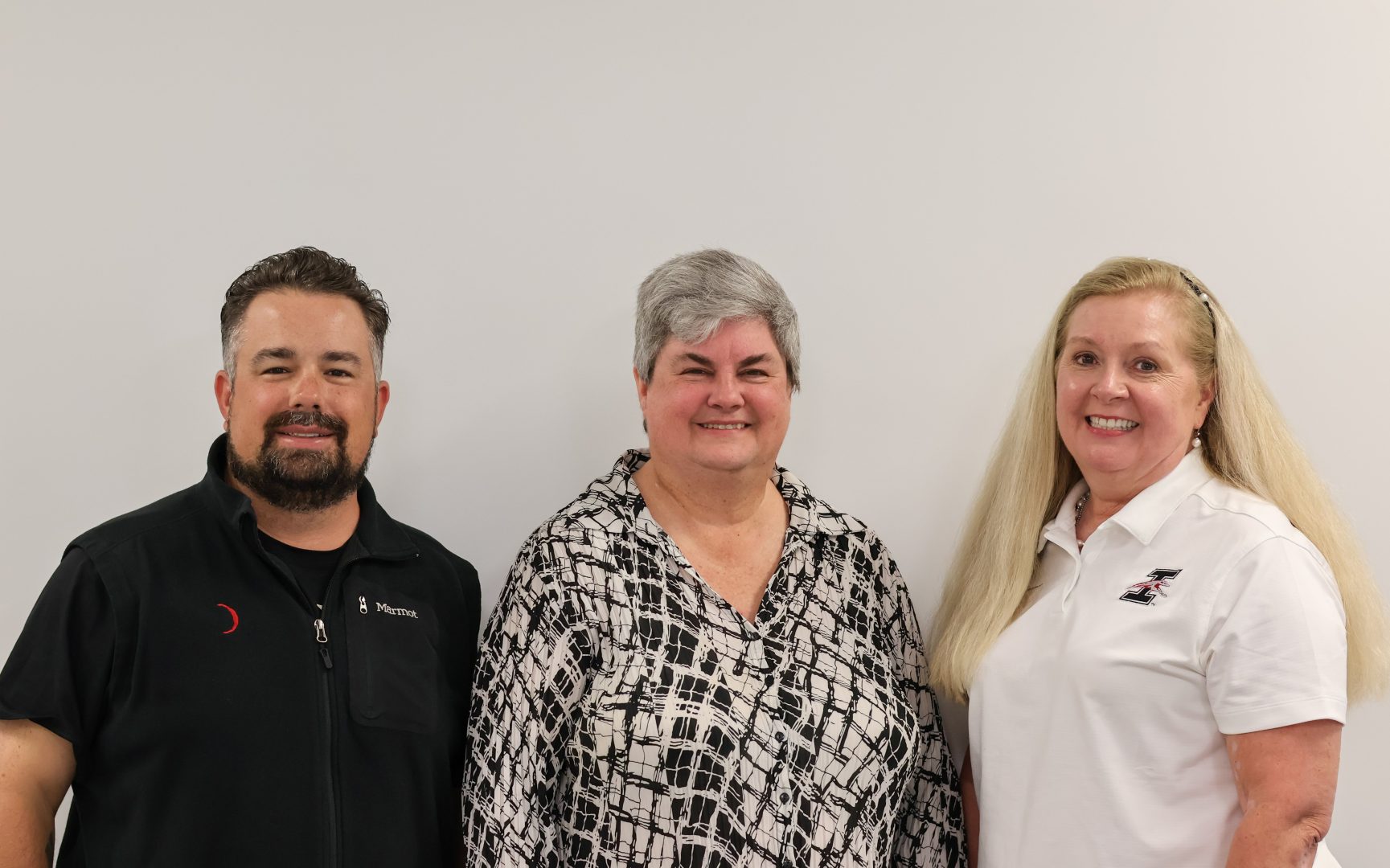
Through this program, Stoelting-Gettelfinger said she aspires to produce lifelong learners and that students develop the heart to take care of patients’ whole being, not just a pathology. The program was approved in January, and the current cohort consists of seven people. It caps at 15 since teaching these skills to a larger class is not feasible, according to Stoelting-Gettelfinger.
“My goal is that we graduate safe, quality nurse practitioner providers that are going to improve health outcomes,” Stoelting-Gettelfinger said.
For more information on the program, visit the MSN-AGACNP Track Page or email gradnursing@uindy.edu.
image sources
- Sim Lab – Gettelfinger and Buckingham: Photo by Willa Allen
- Buckingham, Smith, Gettelfinger: Photo by Willa Allen