
Bio
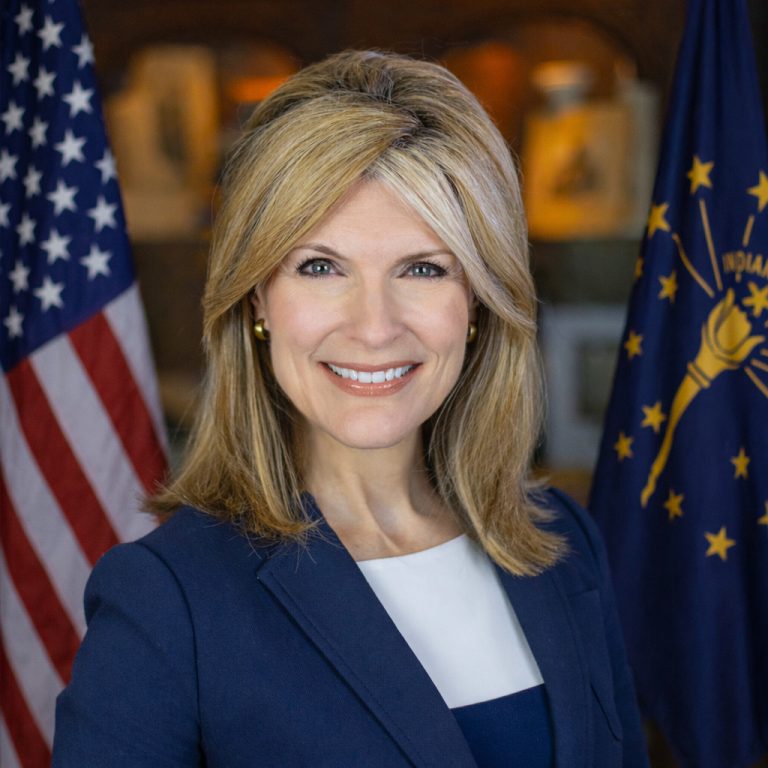
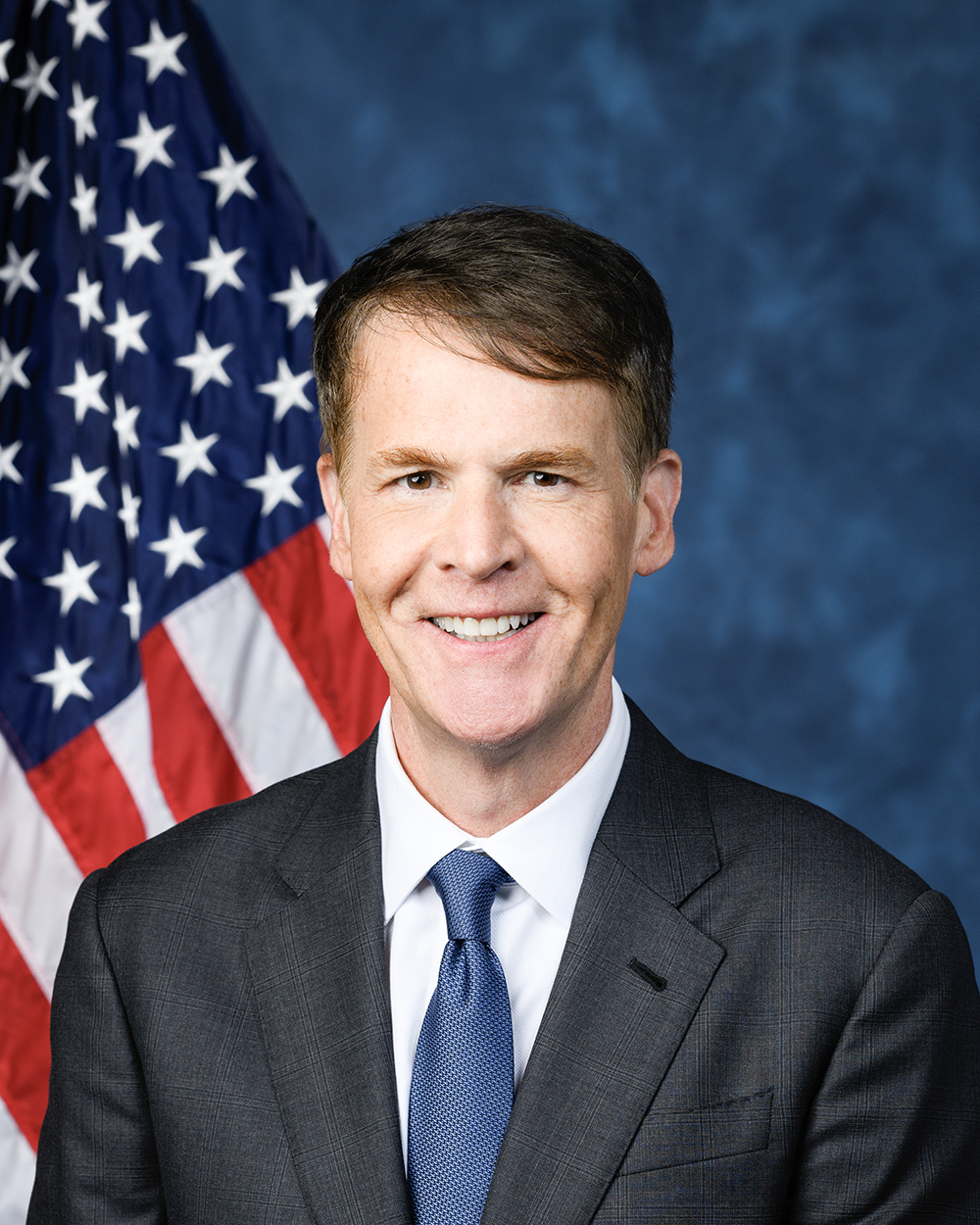
Congressman Jefferson Shreve is the current representative for Indiana’s Sixth Congressional District. Shreve was originally a business owner before he started his political career. He served two terms on the Indianapolis city-county council before being elected to Congress in 2024. He is a lifelong Hoosier and still calls the southside of Indianapolis his home. He’s focused on solving public safety issues, supporting American technological innovation, cutting taxes and rooting out wasteful government spending.
Q&A
Why are you running to represent Indiana’s sixth Congressional District?
I’m asking the voters in the sixth district to give me a second term. So we serve two-year terms. We’ve got to stand on our work before our constituents, and they’ve got the opportunity to give us a thumbs up or a thumbs down. I’m asking for another opportunity to continue the work. I’m 19 months into this. There is an extraordinary learning curve when you come into Congress and I have taken a deep dive. I’m a curious person. I have really been swimming in information and in learning how to be effective as a legislator on behalf of the citizens here, and do work that’s good and helpful within the boundaries that I represent, and as part of the team that is the United States of America.
What do you feel is the biggest responsibility of a member of Congress?
I don’t think that one outshines all the others. There are a couple of the really important core aspects to the work. We’ve got to legislate and to legislate, you’ve got to be curious. You’ve got to lean in and listen to those that you represent as they advocate for their priorities and educate you. Legislating is to be on the receiving end of advocacy and in turn, legislators need to educate their constituents as to what we can do and what we can’t do at the different levels of government. I’ve served in local government here in Indianapolis as well as in the federal government, and many citizens don’t know who does what or who can help with X or Y. It’s not okay to say, “well, that’s that’s not our area” when constituents reach out. My responsibility is to help them if it’s in our lane, or to connect them if it’s outside of our lane, and to educate in turn. So the constituent service side of it is a core piece of it, as well as the legislating side of it.
What committees do you feel you’d be best equipped to serve on in this upcoming session?
I serve on the Appropriations Committee, and I’m there with intentionality. I think I’m best prepared to continue to represent and serve this district as a member of the Appropriations Committee, so that’s sort of settled business, which is helpful. I’m not asking to be hired so I can head out there and begin to figure it out, because it’s a complicated structure of committees and subcommittees and earning a seat at the table that you want to work at can take some years. I’ve been fortunate to have earned enough respect to land a seat at the tables that I want to work at. I am where I want to work and I’m confident that I can do more for my constituents over the next couple of years on the appropriations committee.
What do you think is the biggest problem facing the residents of the sixth district, and how would you address it?
It’s a diverse district. The district includes parts of Indianapolis, which are urban, fast-growing suburban communities like in Johnson County and Hancock County, and then several truly rural, less populous counties. Overall, we represent part of 11 counties in total. The challenges of Rush County or Union County are different from the challenges of Perry Township in Marion County. So there’s not a blanket answer there. I think that’s just reflective of learning, understanding, and knowing the district that you represent. We have public safety challenges in Marion County. My constituents in Hope, on the north side of Bartholomew County, don’t have those same public safety challenges. In communities like that, I have to address challenges such as providing access to quality healthcare. In some of the more rural counties, it has become hollowed out, and people aren’t staying or starting families when they’ve got to drive an hour or more to get quality healthcare. We have seen this increasing sort of consolidation toward the urban core. Growth in the metro is good, but I don’t want to see our other 86 counties hollowed out over time. I don’t want to see Rush County or Fayette County decline in population. Some of these communities have lost population because they’ve lost jobs. They aren’t all on the highway infrastructure that connects us, so the challenges aren’t the same across this district, and part of becoming effective in this work is really leaning in and learning the district, which is to understand the challenges of the people that you represent.
The sixth district covers a large area with many unique communities within it. How will you ensure you represent these communities fairly?
I’m going to continue doing what I have done over the first 19 months, and what I did as a candidate for nine months prior to that. You lean in, you move around, you listen, you ask questions and you are informed and educated by the people that you represent or that you want to represent. That informs the work that we go back and do from D.C. or the advocacy work, the constituent service work that we do from here in the district. How do you do it? You just get up every day, and you go to work. Whether that’s in session on Capitol Hill or when we’re in our district periods moving around the 11 counties.
How would you handle a situation where the desires of your constituents conflict with the desires of party leadership?
My constituents come first. To be a U.S. representative is to represent your constituents, and that’s the way our government was organized and designed. My responsibility is to my constituents and to bring that perspective and that voice to the table. It’s one of 435 voices in the House, so I have a voice in the choir. As I get better at being a representative, my constituents want my voice to resonate, to be heard and to be taken as credible. Not only do I have to earn that credibility with my constituents, but with my colleagues as well.
How would you work across the aisle to deliver results for your constituents?
I’ve been doing that since the time I was in local government. When I represented this part of Indianapolis on the city county council, which I did twice, I was in the minority, both occasions. I couldn’t be effective in my two terms on the city county council as a Republican member of the minority party if I couldn’t work across the aisle. I served on metro and economic development. I served on public works. I developed credibility with my colleagues, both within my party and on the other side of the aisle. A lot of our work there, as it does in Congress, happens at the committee level. I had to develop credibility with members of the mayoral administration to get things done, to advocate, to bring the support and resources for the people that I represented. Here in Congress, I’m doing the same thing, although the experience is different because I’m serving in a majority. There, we’ve got to persuade hearts and minds there at the sort of fulcrum in the middle point on the issues that narrowly divide us. Many votes are nearly unanimous in local, state and federal government. The ones that really have our attention are those that are close, tight votes, and I’ve got to have that rapport with people that I’m serving with on an appropriations subcommittee, say Homeland Security for example, if we’re going to get some things that I believe are good out of subcommittee, to the committee and to the full floor. So you’ve got to develop those relationships. That takes an investment, that takes time and service and that takes an inherent respect for the viewpoints that others are coming from, whether they’re coming from across Marion County or from across the United States. I’ve been successful in term one at advancing bipartisan legislation. There are some things that just aren’t very partisan. I’ve been very involved in scam fighting work. These scams that litter our phones and our emails are victimizing Hoosiers and people from around the country. In my service on the Foreign Affairs Committee, I authored the Dismantle Foreign Scam Syndicate Act. It’s a tightly divided committee and I was able to get my bill unanimously out of committee, 47-0, and then to the House. I worked with Democrat colleagues on several pieces of legislation. It can be done, and I’m doing it.
Why should voters support you?
It’s a two-person field and, in my view, I’m the best prepared to continue to represent and to vigorously advocate for the priorities and the interests of the people of Indiana Sixth District. I believe I can get more done.