
Bio
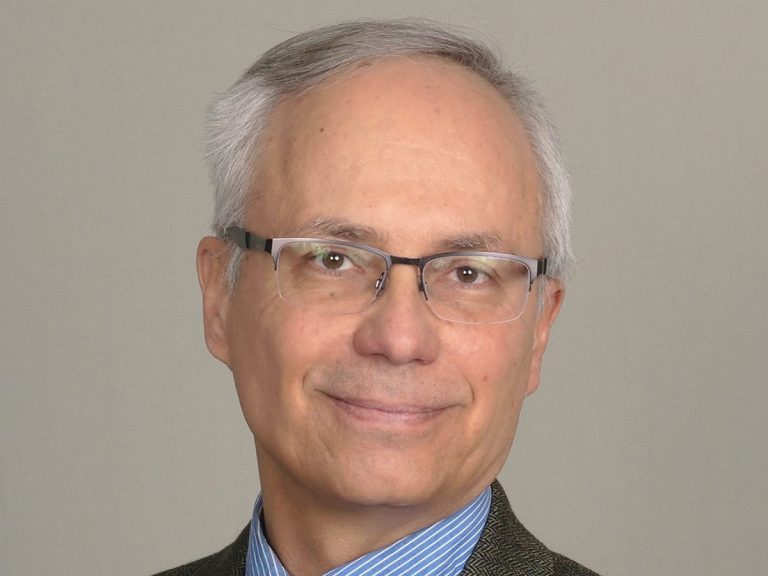
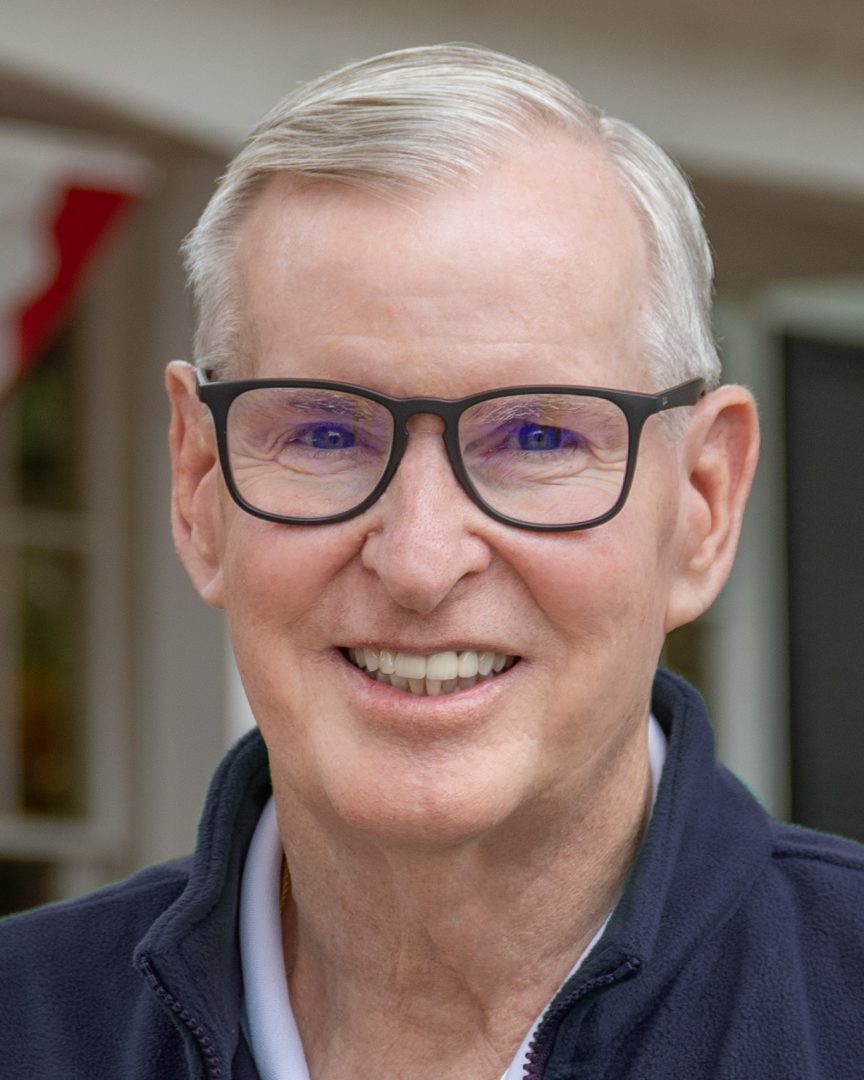
Greg Ballard spent 23 years in the Marines and served as Mayor of Indianapolis from 2008-2015. He would then step away from politics, taking a role as a visiting fellow at the University of Indianapolis to help inspire future leaders. The former Republican is now running for Secretary of State as a member of the newly founded Lincoln Party. Ballard’s top priorities are increasing voter participation, removing partisan influence from the Secretary of State’s office and providing greater ballot access to independent voices.
Q&A
Why are you running for Indiana Secretary of State?
I was fine where I was, but a gentleman named Nathan Gotsch came to me and he had formed a group called Independent Indiana. He had looked at state election laws and found that some were actually preventing people from running. For example, I had to gather 37,000 signatures to get on the ballot in this race, which required a great amount of effort by a lot of people and cost me over $700,000. This barrier to entry drives down competition in our elections in November, which is the biggest reason we have such toxicity in our politics today. A couple months ago in May during the primaries, 95% of the legislature was determined by 10% of the people. The November election is almost irrelevant to what happens in the state of Indiana, and that’s true across the country. So I asked “how do you fix that?” and that’s really the origin story of our campaign. We got past this very punitive obstacle that Indiana law imposes, of having to gather the signatures, and what that will do in the future is open up ballot access to lots of people who want to run for office. Right now, one in five people can run for office, and so voters have very few choices. They’re going to wind up most of the time with just one of the two parties represented on the ballot. And how many times have people come into a voting booth and said, “God, these are my two choices? This is all I got?” and see no good choice. When you combine that with the fact that 41% of the people in Indiana see themselves as independent, 29% Republican, 21% Democrat, the independents have nowhere to go and nobody to vote for in lots of cases. What we’re going to be able to do, as long as we get 2% of the vote, is put candidates into these races that will make them competitive. If it’s done the right way, instead of having one person that can win in November, there could be three people that can win in that race, which will give voters more choices. The Democrats and Republicans have made it very clear that they will not like that. I believe we’re going to clear that 2% hurdle to get us ballot access and the 10% hurdle to get us in the primary system, and that is going to change the dynamic. However, we’re not going to flood the zone early on. We’re just going to slowly but surely bring on more people that can run for office, that are practical problem-solving people that are not subject to the purity test and the extreme ideology of both parties. They’re going to be people that you’d like to have in office, people you’d be proud to have in office. I’m doing this so that future voters have better people on the ballot, and I think that will drive down the toxicity in our politics and force people to talk to each other. That’s why I’m running for office, for the future of Indiana.
What would be your top priority if elected?
The main thing we really need to do is to be independent in the office. I’ve said repeatedly, I will not donate to, will not fundraise for nor will I endorse any candidates. Once you’re in that office, you should be independent of all politics. That is not being done today. I mean, if you were running for office and the Secretary of State was out endorsing your opponent or fundraising for your opponent, how would you feel about that, as they’re the chief election officer? That seems like a rather large conflict of interest. So I think this office needs to be independent from now on. That’s one thing that I think is very important. Even after I leave the office, I want that to be the standard for the state of Indiana. I don’t want the Republicans or the Democrats or somebody else coming in there and saying, “Well, that was just Ballard, we’re not going to do that anymore.” I think that should be the standard once you’re in that office.
Indiana ranked 41st in voter turnout nationally in 2024. What do you think can be done to improve turnout?
The voters’ guide comes to mind. Several states do a voter’s guide. We’ve actually got one drafted up, and voters will see a sample of that. Sometimes when you go to vote you stand in line a long time and you don’t really know who you’re voting for once you get in there. But if you know who you’re voting for, when to vote, where you can vote and you have a picture and a little blurb from the candidate saying, “This is who I am and this is what I want to do,” I think that will make a big difference, and then people will feel more comfortable going to vote. That isn’t done here but it is done in other states. But we want to push that out to people, and I think that’s pretty important. I think there’s other things we can do, such as a lot more outreach. I think a particularly good idea is to push some more information into high schools to kind of set the table for the future.
What steps would you take to ensure greater transparency within the office?
Talk to people. Again, it’s not an independent office right now, right? There’s party loyalty within the office, and I think that’s a real problem. Sometimes they have to hire Republican or Democrat, and I understand that. But the office needs to be open to everybody, and the systems being used right now, particularly in the business services division, is very antiquated, and I’ve heard that along the campaign trail quite a bit. It’s not serving the businesses well necessarily, and just things like that tells everybody what needs to be done. What’s happening in that office right now with expenses is just not good, and it needs to change. I want to bring dignity back to that office. I want to do it as I did when I was the mayor. I put all the contracts online, and I’ll certainly do that again, because we want people to know what we’re doing, and that’s not happening right now. It’s pretty clear what’s happening. I mean, one party’s been in the office for 32 years, and it’s the worst it’s ever been right now.
How would you improve the office’s services when it comes to its role in business regulation?
The first thing is to update the website. The technology on the website for business services is like 20 years old, and I’m hearing along the trail that it is not easy to navigate quite a bit.. I think there are issues with farmers getting their loans appropriately and things like that. The business services division is probably a little bit behind in helping small businesses in particular. Big businesses have money to navigate that more expeditiously, but small businesses have to be able to do it better. Farmers need that help also at certain times because things are so time sensitive in farmland. We need to tighten that up pretty quickly.
Why should voters support you?
If they want a change in the politics today, if they want a change in the toxicity, there’s only one place to go, and that’s me. It’s ironic, you can view me as a “third-party” candidate, but I’m the only one with experience in this race. Everybody else is treating this like an entry-level job. I’m the only one that’s been elected to an office before. The main reason that I’m running is to open ballot access to more candidates. It’s such a closed system right now. I mean, one of the candidates came out and said, “I want to close the primaries.” What I hear when you say that is you want the taxpayer to give you $10 million to run your little club every May. If you want more choices and better choices on the ballot in the future, if you want the toxicity of politics to stop, if you want the extreme ideology to be moderated, there’s only one way to go here. If you keep voting for the same thing and expecting a different result, that’s not going to work. We have to change what we’re doing right now. This is the opportunity to do it with somebody who actually has experience in doing this sort of thing. You have to look at what the future looks like, and what we’re able to do, providing more and better candidates through what will become the Lincoln Party, is absolutely critical to the future of Indiana. If you just want to keep the same two parties yelling at each other over the next 10, 20, 30 years, you can. But I’m suggesting that it’s this race this year that will change that, and I hope people vote appropriately.