
increase in grocery prices since Jan. 2022.
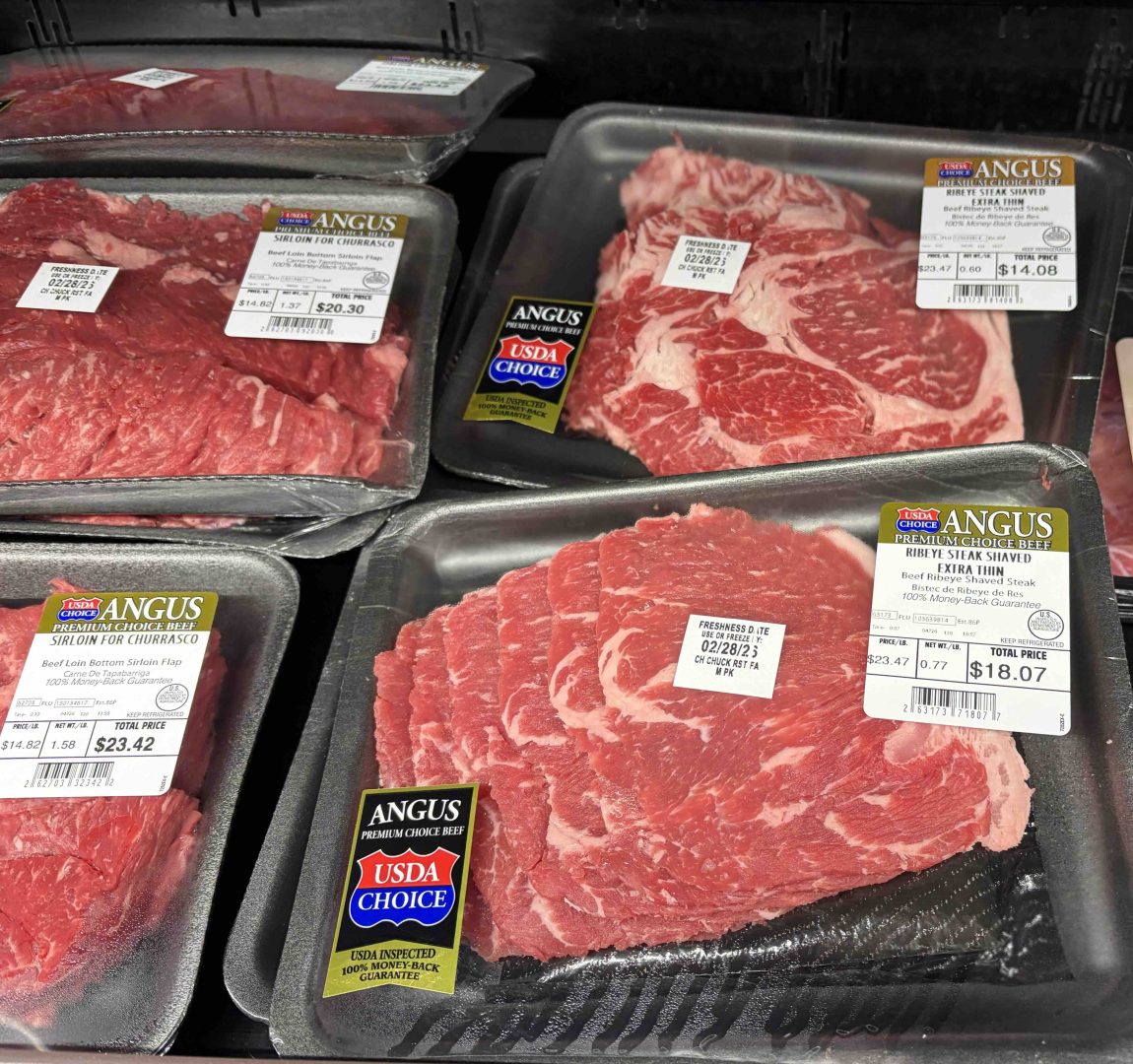
The U.S. has seen an almost 20% increase in grocery prices since Jan. 2022, according to CBS. The USDA states that this trend will only continue to increase.
CBS News reports a 19.1% increase in grocery prices over the past three years, with the primary increases seen in essential food items, such as poultry and eggs, meats (specifically ground meats), bread products, and dairy products like yogurt, milk and cheese. A pattern can be seen in these increases, with many of the prices rising on more popular, cheaper, pre-prepared or processed items. Precut, boneless chicken breast continues to trend upwards, more so than a whole chicken, and yogurt is increasing more than a gallon of milk.
The primary reason behind this increase in the price of goods is inflation, with prices also persistently increasing for apparel, like clothes and shoes, gasoline, household items like appliances and furniture, and other necessary items for Americans, according to CBS.
Grocery prices are not the only increase we are seeing. Food-away-from-home prices, such as the cost of takeout or a prepared meal from a restaurant, are also rising and are expected to continue doing so. According to the National Restaurant Association, food prices, as well as the cost of labor within the food industry, have increased 35% independently, with menu item prices increasing alongside them at a 31% increase between 2020 and 2025.
For financially disadvantaged populations and those living near or below the poverty line, this can mean limited access to important goods and services, as well as a decreased ability to meet nutritional needs or access valuable nutrients, according to Feeding America Action.
According to the Urban Institute, 58% of full-time university students work either a full or part-time job, many of which get paid at or slightly above minimum wage. On the high end, students might make up to $13,000 per year. Nasdaq reports that the average American spends on average $370 per month on groceries, suggesting that almost a third of a university student’s income could be spent on groceries. Many university students, however, earn less than $13,000 per year, meaning upwards of half or even two-thirds of their income could be dedicated to food prices alone. This does not consider the price of takeout meals, tuition, room and board, personal expenses or travel.
Assistant Director of the Terry Center Cesone Snowden said she is doing her best to bridge the gaps for UIndy students struggling with these price increases, ensuring everyone’s needs are met. The UIndy Terry Center for Campus Connections opened and maintains the Greyhound Care Corner (GCC), an open-access food and goods pantry for students and families in the UIndy community. The GCC is an entirely funded pantry located in Schwitzer Student Center, room 208, but is looking to relocate to the Terry Center’s new location in Schwitzer 206.
“I think, firstly, giving people an opportunity to give is always a great thing,” Snowden said. “…In terms of the student body that we’ve been able to serve, access has always been a priority.”
The GCC relies on those who are willing to give, from students and parents who have enough to share, to professors supplying the cause, and even other organizations wanting to provide for a greater community.
The pantry serves those who use it as a way to bridge the gap between student meal plans and grocery accessibility, as well as providing access to non-food essentials, like feminine hygiene products, laundry detergent, dryer sheets and other daily goods.
“Students are in a very interesting predicament…and are being asked to make a lot of hard choices,” Snowden said. “They are choosing to either eat or take the bus home.”