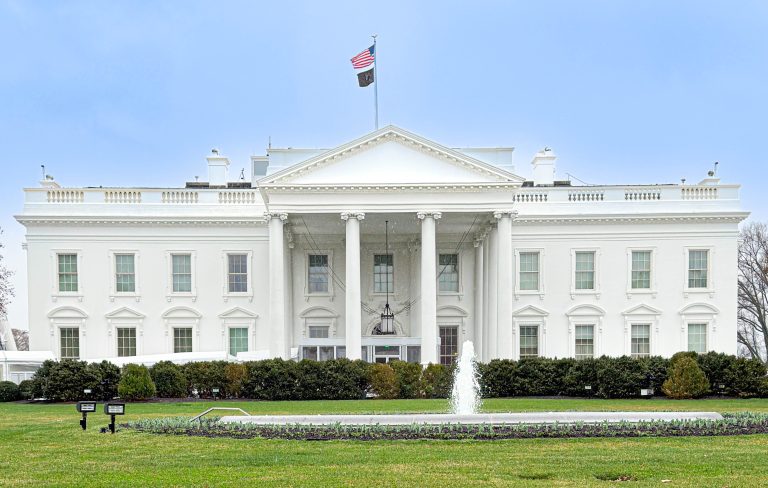

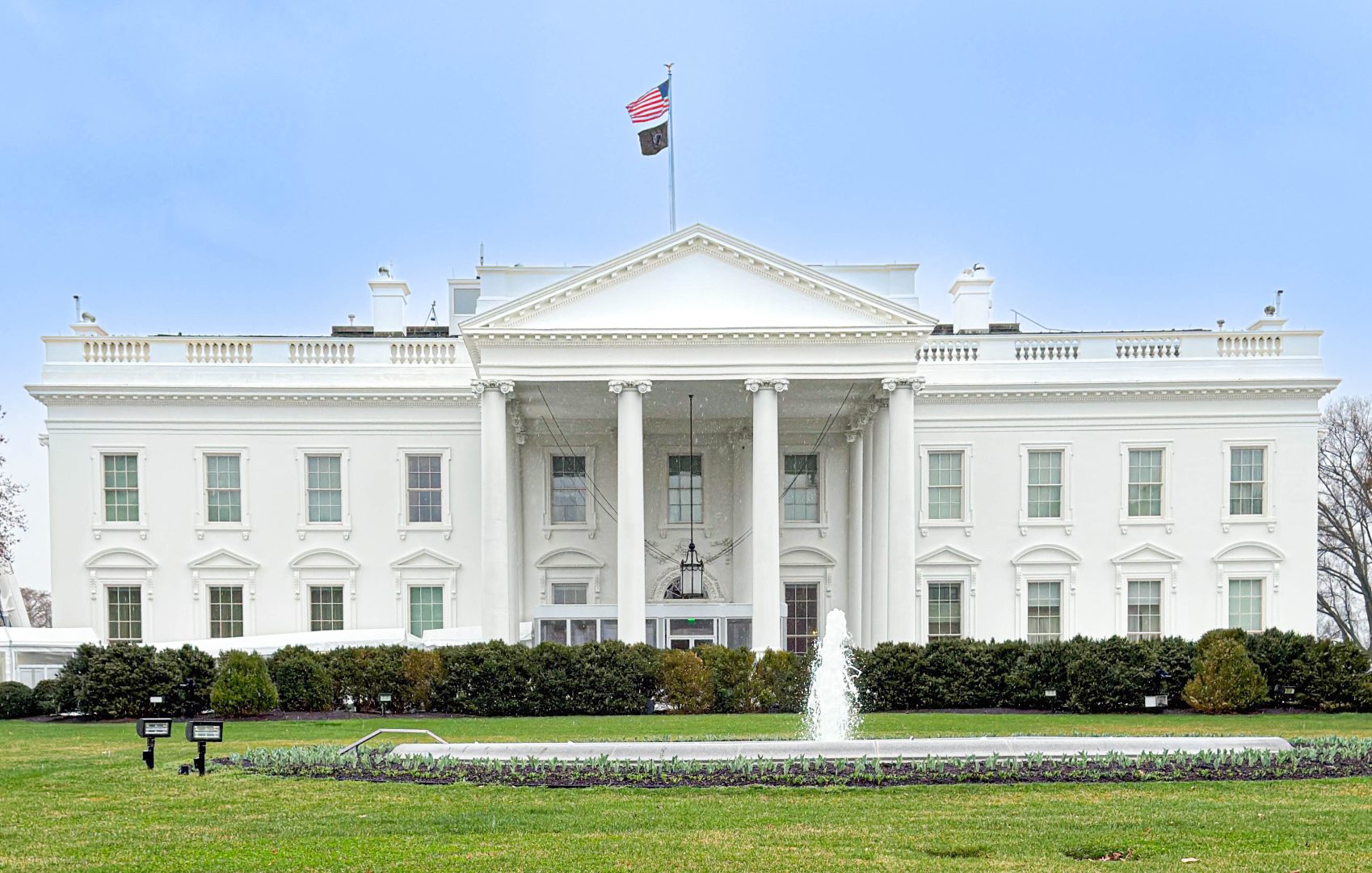
President Donald Trump and several media outlets are currently at odds following the president’s ban on CNN, MS Now and Politico’s access to the White House.
According to PBS, on Sept. 18, Trump asserted these media outlets report “fake news.” Consequently, the Trump administration restricted their access to the press pool. United States District Judge for the District of Columbia, Timothy Kelly, reinstated the media outlets due to First Amendment concerns and the lack of due process in the ban, but the conflict is ongoing per AP News.
“[Kelly’s] original injunction prioritized due process, and so the initial order blocks this for 14 days. These media outlets are wanting a more permanent injunction so they have continued access,” says University of Indianapolis Professor of Political Science, Greg Shufeldt.
In addition to banning CNN, MS Now and Politico from the White House grounds, the Trump administration has barred CNN from traveling on Air Force One, according to USA Today. The White House continues to claim that the banned sources are publishing stories that are national security risks, per CNN. However, Kelly dismissed this idea, recognizing Trump’s original statement had nothing to do with security risks but instead focused on unfavorable coverage of his administration. Kelly’s reinstatement is only valid until Oct. 8, but the outlets have requested a preliminary injunction to ensure access while the lawsuit is in action, according to The Washington Post.
Shufeldt describes this conflict as a “broader piece of evidence of what political scientists call democratic backsliding.” The gradual process of democratic backsliding occurs when institutions that maintain democracy begin facing elimination, according to the Journal of Democracy. Shufeld detailed how the press is a neutral arbiter, so threatening it is a step in a direction away from a healthy democracy.
According to NBC, upon the initial ban, other TV networks showed solidarity by refusing to participate in the rotating group of reporters who cover news regarding the president, known as the press pool. More recently, the media outlets, such as ABC, Fox, etc. are providing coverage on a case-by-case basis in an attempt to both defend free press and fulfill their obligation to serve their audiences, according to NPR.
“You don’t often see rival networks banding together,” says General Manager of UIndy TV and WICR, Rick Dunkle. “But the fact of the matter is, it’s a no-brainer that Fox News and Newsmax would join in on this because they’re sitting there thinking, well, wait a second; if we don’t say something about this, then when there’s a Democrat in office, they’re going to have no problem saying, you know what, Fox News, Newsmax, you’re not allowed in the White House.”
Following the ban, Trump launched a YouTube channel referred to as “Trump TV.” This channel has caused its own controversy as some have deemed it “state-run media,” per Houston Public Media. Dunkle says he does not foresee this channel having much success because it promotes controlled media as opposed to free press. State-run media infringes on American values of democracy, according to Dunkle.
There is an in-person hearing on Oct. 13 addressing the media outlet’s call for a preliminary injunction. This will determine whether or not CNN, MS Now and Politico remain banned while the broader lawsuit progresses.
Shufeldt explained that comprehensively, this conflict demonstrates the importance of every political faction having an opportunity to express their point of view.
“Regardless of whether or not you agree with the president, regardless of if you agree with the network or not, in theory, this is a value of ours as a country that we should have a First Amendment right to free press, we should have the First Amendment right of free speech and these sorts of things violate that for everybody,” says Shufeldt.