
The United States and partner forces launched operation “Epic Fury” on Feb. 28 to “dismantle the Iranian regime’s security apparatus, prioritizing locations that posed an imminent threat,” according to the U.S. Central Command.
Shortly after the initial strikes by the U.S. and its partners, Iran responded with drone and short-range missile attacks targeting U.S. military bases in the region. So far, 13 U.S. service members have died during the duration of the conflict, according to Al Jazeera.
A few hours after the operation commenced, President Donald Trump stated on Truth Social that the Iranian regime continued to pose an immediate threat to “our troops, our bases overseas and our allies throughout the world.” Trump also asserted that Iran had continued their efforts to develop nuclear weapons and long-range missiles that could threaten the U.S.
However, written testimony by Tulsi Gabbard, the Director of U.S. National Intelligence, was sent to the Senate Intelligence Committee on March 18 that contradicted Trump’s assertion. Gabbard’s testimony said that the Iranian regime had made no effort to rebuild its enrichment capabilities after a series of U.S. and Israeli strikes that targeted Iran’s nuclear enrichment facilities in June 2025.
Joe Kent, Former Head of the National Counterterrorism Center, also disagreed with Trump’s assessment of the situation. Due to the matter, Kent resigned on March 17.
“I cannot in good conscience support the ongoing war in Iran,” Kent wrote in a letter posted to social media. “Iran posed no imminent threat to our nation, and it is clear that we started this war due to pressure from Israel and its powerful American lobby.”
Douglas Woodwell, University of Indianapolis Professor of International Relations, echoed this point, stating that he does not believe Iran poses “any fundamental threat to the United States in any major way.” Woodwell added that he “does not know whether it’s driven the United States to act as much as it’s driven Israel to act.”
However, Woodwell acknowledged that there is a legitimate reason to be concerned about the Iranian nuclear program, as there is a lack of certainty regarding its current status. He said he does not believe that this conflict will result in the current Iranian regime being overthrown or in increased stability in the region.
“You don’t usually bomb things to stability,” Woodwell said. “I would probably argue that the most likely outcome is that Iran becomes a poor dictatorship.”
Woodwell said he also feels that the lack of certainty surrounding the conflict is what is driving concern among the American people. He stated that he has never seen the U.S. engage in a conflict where the goals are so “ill defined” and that the lack of Congressional input further contributes to the uncertainty surrounding the issue.
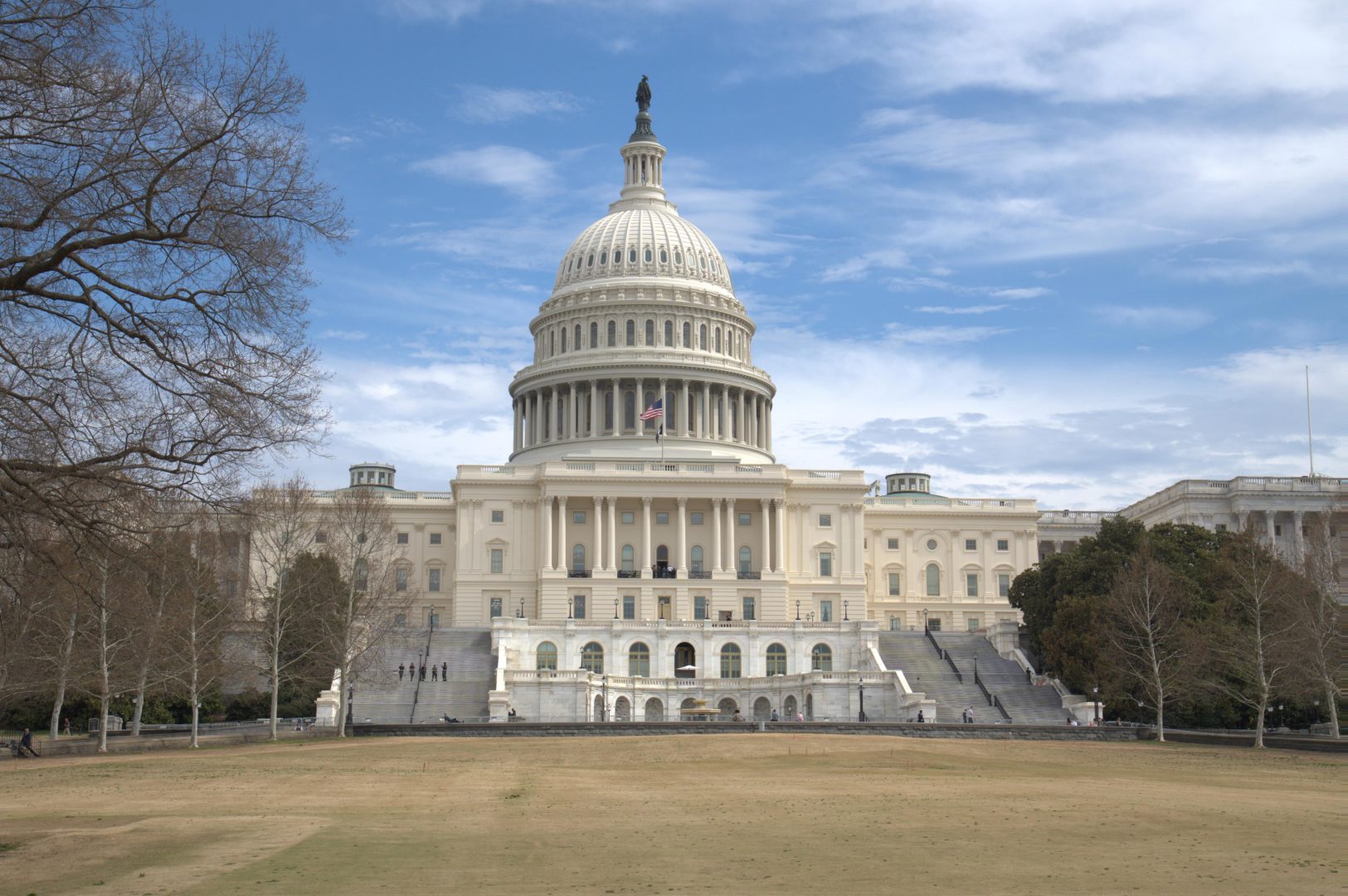
Gregory Shufeldt, UIndy Associate Professor of Political Science, stated that while the Constitution assigns the power to declare war to Congress, it also gives the President the role of Commander in Chief, which could be contributing to confusion surrounding the issue.
“I would identify that the Constitution is, in most aspects, intentionally vague,” Shufeldt said. “Article One gives Congress the ability to declare war, and Article Two gives the President military powers.”
Shufeldt said that Congress has the “power of the purse,” and they could choose to suspend funding for the conflict. However, Woodwell noted that this would be a politically difficult decision for members of Congress to make, as doing so could be seen as “cutting off the troops.”
Woodwell believes that the executive branch’s powers have stayed the same regarding foreign policy, with military operations being executed without an official declaration of war from Congress since World War II. Both Woodwell and Shufeldt agreed that recent administrations have used these powers more often, citing the lack of Congressional push-back as one of the contributing factors.
“In general, regardless of administration or party, more and more power is being concentrated in the hands of the White House,” Shufeldt said. “Some of that is because Congress lets it happen.”
Shufeldt would go on to say that he believes there are positives and negatives to this shifting power dynamic. He emphasized the need for people to do their own research and determine what they believe to be appropriate independently, avoiding reliance upon their political party to be the sole source of their information.
Woodwell acknowledges that analyzing international relations can be difficult in the current political climate due to the lack of clear and consistent messaging from the Trump administration and the “personalistic” approach the President takes to foreign policy negotiations.
“I don’t necessarily know what he’s going to do or why he’s doing it, which is a very different climate and situation for policy making, when it comes to foreign affairs, than has ever existed in this country,” Woodwell said. “…When it comes to motivations and justifications, I honestly have a lot of times where I’m as in the dark as anybody else in the street when it comes to understanding what’s going on in the mind of the President.”
image sources
- Capitol 3:11: Photo by Dallas Marshall